⚡ Key Takeaways
- Real luxury Tokyo 7-day itinerary cost ranges from $25,000 to $65,000 USD for couples
- [Aman Tokyo](/articles/life/aman-tokyo-review-2026) and Hoshinoya offer the ultimate accommodation experiences
- Michelin dining requires strategic budgeting: $300-$600 per person for top omakase
- Private after-hours temple tours and helicopter night flights justify the premium
- The sweet spot for most luxury travelers sits around $35,000-$40,000 total
Disclosure: riiiich.me researches luxury spending independently. Hotel rates are sourced from current booking platforms and direct inquiry. All dining prices reflect 2026 published or confirmed costs. We may earn a commission through links at no extra cost to you.
Quick Verdict: A genuine luxury 7-day Tokyo trip for a couple costs $32,000–$67,000 all-in. The sweet spot is $35,000–$40,000: Aman Tokyo or Peninsula for 5 nights, one night at Hoshinoya, two 3-Michelin-star dinners, one full VIP experience package, and a private driver for the week. Tokyo is 15–25% cheaper than Paris or London for comparable quality. The weak yen has made this the best time in a decade to do it correctly.
Marcus Chen | Ex-Wall Street trader, luxury travel writer | Published: February 2026 | Last Updated: March 2026
In This Guide
- Total Cost Overview: What You'll Actually Spend
- Tokyo Luxury Hotels 2026: Aman, Peninsula, Park Hyatt, Hoshinoya
- Michelin Dining Budget: Jiro, Kohaku, Saito and More
- VIP Experiences: Temples, Helicopters, Sushi Masters
- Shopping: Ginza and Omotesando Spending Guide
- 7-Day Luxury Tokyo Itinerary: Day-by-Day Budget
- Total Budget Summary
- Frequently Asked Questions
Luxury Tokyo 7-Day Itinerary Cost 2026: The Real Numbers
Total Cost: What a Luxury Week in Tokyo Actually Costs {#cost-overview}
A 7-day luxury Tokyo trip costs $25,000–$65,000 per couple in 2026. The plannable sweet spot is $35,000–$40,000: Aman Tokyo 5 nights + ryokan 1 night, two Michelin dinner experiences, 3–4 VIP activities, private driver, and moderate shopping. Solo: $20,000–$45,000.
| Category | Mid-Luxury (per couple) | Ultra-Luxury (per couple) | Notes |
|---|---|---|---|
| Accommodation (7 nights) | $7,000–$10,000 | $18,000–$35,000 | Aman/Peninsula vs. top suites |
| Dining | $4,000–$6,000 | $10,000–$15,000 | Mix of Michelin + casual |
| VIP Experiences | $4,000–$6,000 | $8,000–$15,000 | 3–5 private activities |
| Shopping | $3,000–$8,000 | $15,000–$40,000 | Ginza / Omotesando |
| Transport (in-city) | $2,500–$3,500 | $4,000–$6,000 | Private driver week |
| Miscellaneous | $2,000–$3,000 | $5,000–$8,000 | Tips, last-minute, etc. |
| TOTAL (couple) | $22,500–$36,500 | $60,000–$119,000 | — |
| TOTAL (solo) | $15,000–$24,000 | $40,000–$75,000 | Hotels don't halve |
Currency advantage (2026): The yen has traded 145–155 to the dollar since mid-2023. This represents 20–25% better purchasing power for USD-based travelers compared to 2018–2019 rates. A ¥200,000/night Aman suite that cost $1,820 in 2019 costs $1,290–$1,380 today. This advantage is real and meaningful.
The 15% buffer rule applies universally: plan your budget, then add 15%. Upgrade decisions accumulate. An extra sake pairing ($80), a better room category ($200/night difference), a spontaneous pottery class ($300) — these arrive as individual rational choices and add up to an irrational total.
Tokyo Luxury Hotels 2026: Where to Stay {#hotels}
Hotel choice determines the entire character of your Tokyo week. Aman ($1,200–$1,800/night, standard) sets a contemplative, minimalist register. The Peninsula ($900–$1,400/night) is classical service with Ginza access. The Park Hyatt ($800–$1,200/night) has the best bar in Asia. Hoshinoya ($1,500–$2,500/night) is the mandatory one-night ryokan hybrid — book it for nights 4 or 5.
Aman Tokyo — Otemachi, 33rd floor
| Room Type | Rate (per night) | Notes |
|---|---|---|
| Aman Room | ¥185,000–¥265,000 ($1,265–$1,820) | 69 sqm; floor-to-ceiling windows; deep soaking tub |
| Premier Suite | ¥520,000–¥740,000 ($3,560–$5,065) | Separate living area; two bathrooms |
| Corner Suite | ¥880,000+ ($6,020+) | 180° views; Aman's best Tokyo room |
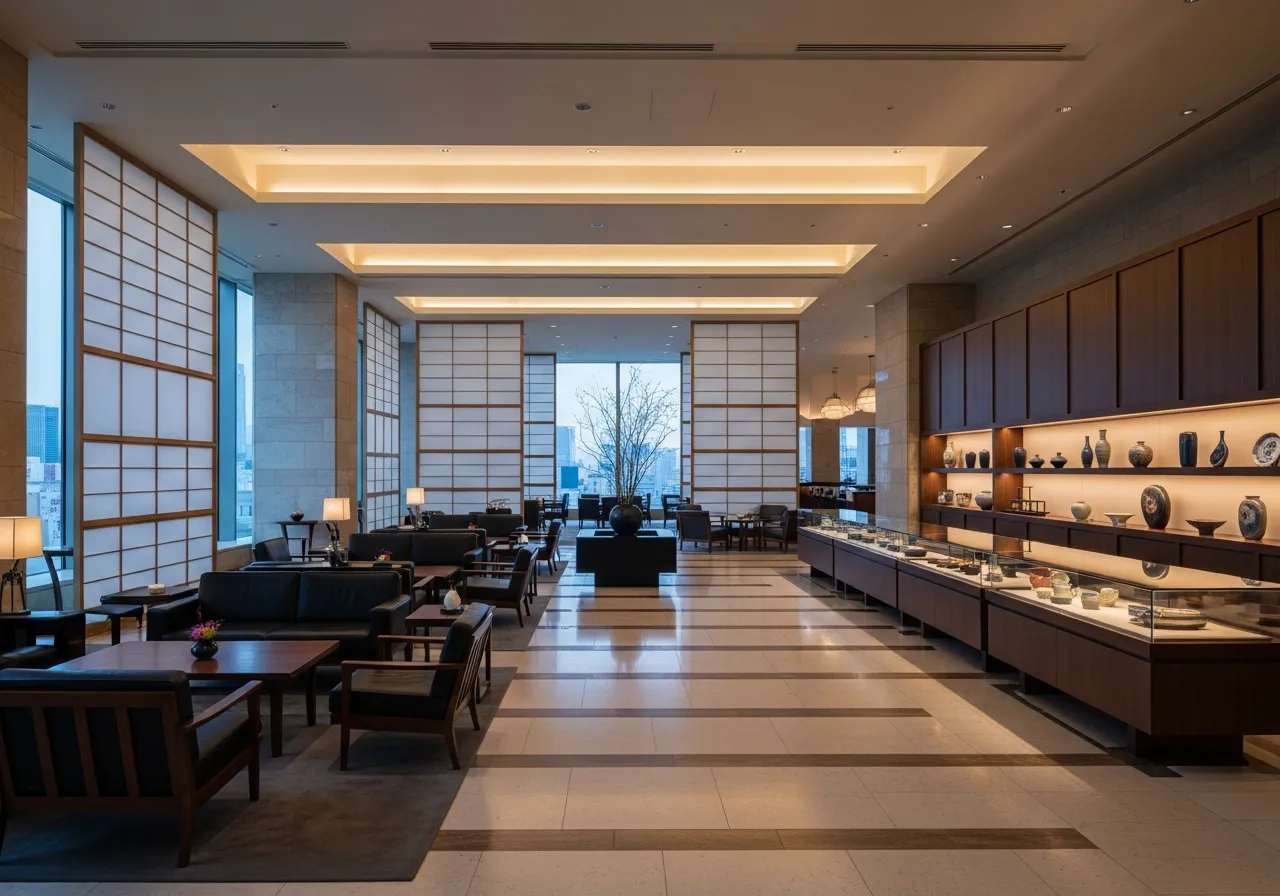
The lobby is 33 floors up and purpose-built to make you feel small in a good way — 30-meter paper lantern pendant, washi screens filtering afternoon light. The onsen-style bathrooms are 15 sqm. Aman charges for the feeling of nowhere, and Tokyo is where that feeling is hardest to achieve.
The Peninsula Tokyo — Yurakucho, Imperial Palace adjacent
| Room Type | Rate (per night) | Notes |
|---|---|---|
| Deluxe Room (Imperial View) | ¥130,000–¥195,000 ($890–$1,335) | Views of Imperial Palace gardens |
| Grand Premier Suite | ¥390,000–¥580,000 ($2,670–$3,970) | 130 sqm; Steinway piano |
The Peninsula's fleet of Rolls-Royce Phantoms for guest transport is the kind of detail that most hotels describe in their pitch decks and deliver inconsistently. The Peninsula delivers it. The location — Imperial Palace on one side, Ginza 5-minute walk — is unmatched.
Park Hyatt Tokyo — Shinjuku, floors 39–52
| Room Type | Rate (per night) | Notes |
|---|---|---|
| Park Room | ¥110,000–¥175,000 ($755–$1,200) | Standard; still on upper floors |
| Park Suite | ¥320,000–¥490,000 ($2,190–$3,355) | Separate living room |
| Tokyo Suite | ¥720,000+ ($4,930+) | The movie suite |
The New York Bar on the 52nd floor is the most famous hotel bar in Asia. It earns it. Book a window table from 6–8pm for the city light transition. The hotel's architecture by Kenzo Tange remains as striking at sunset as in 2003 when the film was made. Standard rooms are excellent value by Tokyo luxury standards.
Hoshinoya Tokyo — Ochanomizu (ryokan-in-a-skyscraper)
| Type | Rate Includes | Notes |
|---|---|---|
| Standard | ¥220,000–¥365,000 ($1,505–$2,500) per couple | Kaiseki dinner + breakfast + onsen access |
Hoshinoya is the one-night mandatory: Edo-period aesthetics inside a modern 17-floor building, rooftop open-air onsen, tatami flooring, yukata robes, and a kaiseki dinner better than most independent restaurants at this price point. The included dinner alone would cost ¥40,000–¥70,000 ($275–$480) per person elsewhere. Book for night 4 or 5 as a mid-trip reset.
Booking timeline: Aman Tokyo suites: 90–120 days ahead minimum for peak season (March–May cherry blossom, October–November foliage). Peninsula and Park Hyatt: 60–90 days for preferred view categories. Hoshinoya: 60 days minimum.
Michelin Dining Budget: Jiro, Kohaku, Saito and the Full Spectrum {#dining}
A 7-day luxury Tokyo dining budget runs $4,000–$6,000 per couple (2–3 Michelin experiences + casual dining daily). The 3-star counter experiences (Jiro, Saito) run $300–$500/person; 2-star kaiseki runs $200–$400/person. The genuine best-value meal in Tokyo is Tonki tonkatsu in Meguro: $30–$50/person, no reservation, better than most $300 meals elsewhere.
3-Michelin-Star (The Pinnacle)
| Restaurant | Cuisine | Cost Per Person | Booking Difficulty |
|---|---|---|---|
| Sukiyabashi Jiro (Ginza) | Sushi omakase | $400–$500 | Extreme — concierge/connection required |
| Kohaku (Kagurazaka) | Kaiseki | $350–$450 | Hard — 2–4 weeks with hotel concierge |
| Quintessence (Shirokanedai) | French-Japanese | $400–$500 | Moderate — 2–3 weeks ahead |
| Florilège (Aoyama) | Modern French | $250–$320 (lunch) | Moderate — counter-only, 10 seats |
2-Michelin-Star (Excellent and Bookable)
| Restaurant | Cuisine | Cost Per Person | Booking Difficulty |
|---|---|---|---|
| Sushi Saito (Roppongi) | Sushi omakase | $250–$350 | Hard — hotel concierge strongly advised |
| Ishikawa (Kagurazaka) | Kaiseki | $220–$280 | Moderate — book 3 weeks ahead |
| Den (Jimbocho) | Modern kaiseki | $180–$250 | Moderate — email in Japanese preferred |
Omakase price reality:
| Omakase tier | Cost per person | Sake pairing add-on |
|---|---|---|
| High-end counter (3-star) | $300–$600 | $150–$300 |
| Mid-tier Michelin | $150–$250 | $80–$150 |
| Quality local (Bib Gourmand) | $80–$150 | $40–$80 |
| Tonki tonkatsu (Meguro) | $30–$50 | N/A |
Booking strategy: For Sukiyabashi Jiro and Sushi Saito, book through the hotel concierge — these restaurants receive preferential allocation for top hotels. Call the hotel 90 days out and ask the concierge to list your top two Michelin targets. For everything else, email 3–6 weeks ahead with your preferred language being Japanese (use Google Translate if needed).
Realistic weekly dining spend (couple):
- 2 Michelin experiences (3-star level): $800–$1,200
- 3 mid-tier Michelin dinners ($150–$250/person): $900–$1,500
- 2 casual dinners (ramen, tonkatsu, izakaya): $100–$200
- 7 lunches: $400–$700
- 7 breakfasts (mostly hotel included): $0–$280
- Total: $2,200–$3,880 per couple
Add sake pairings to upgrade two dinners ($300–$600) and the range becomes $2,500–$4,500 per couple. The ultra-luxury version (3-star every dinner, full pairings): $8,000–$12,000/couple/week.
VIP Experiences: What's Worth Booking and What It Costs {#vip}
The VIP experiences that justify Tokyo's premium: private after-hours Senso-ji ($1,200–$2,000), private sushi master session at Tsukiji ($800–$1,500/person), helicopter night flight ($1,500–$2,500/30 minutes), and a private driver for the week ($2,500–$4,000). Budget 3–4 experiences at $5,000–$8,000 per couple for a meaningful difference from the tourist version.
Private After-Hours Senso-ji — Asakusa
- Cost: $1,200–$2,000 for 2–3 hours (couple)
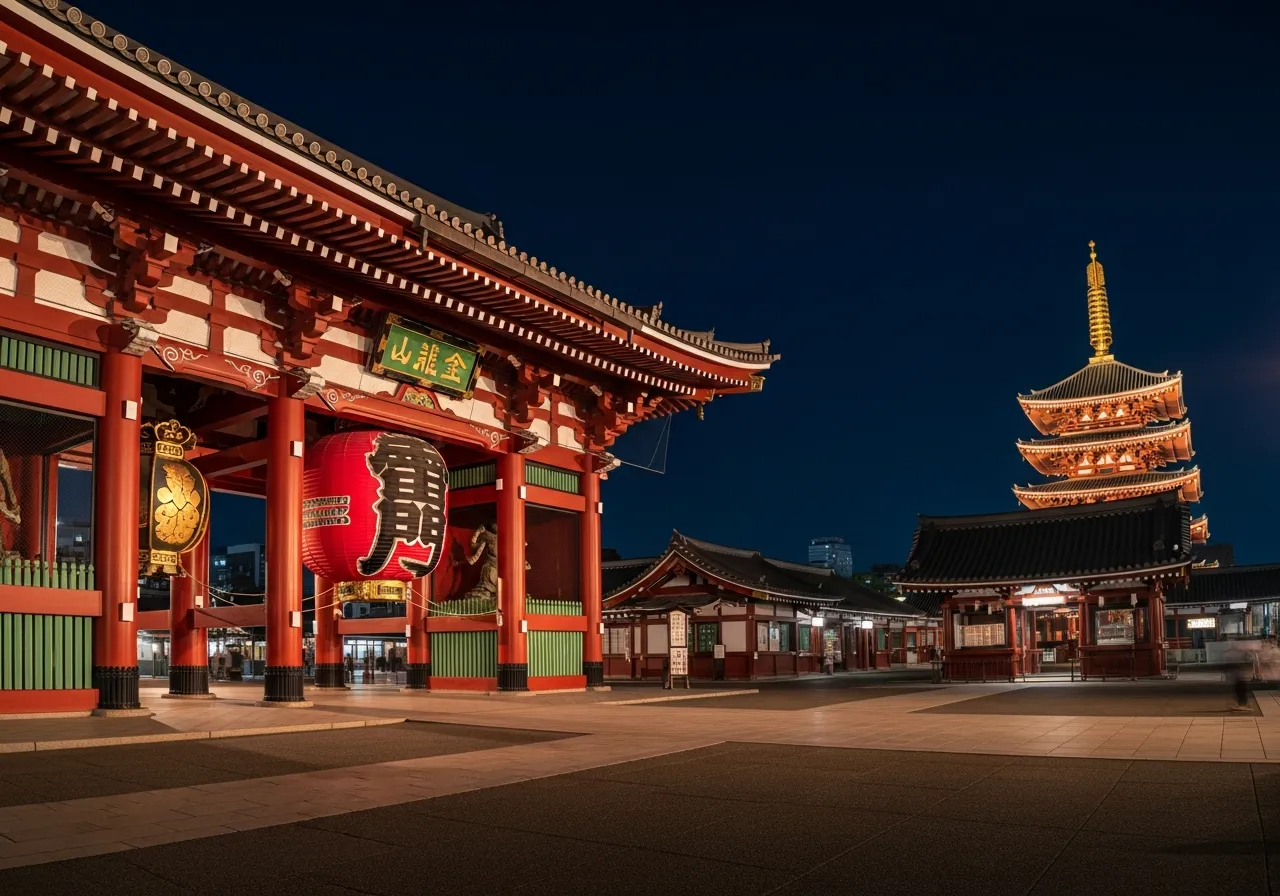
- What this is: Senso-ji the way the building was meant to be experienced — without 30,000 daily visitors. Arranged through specialist tour operators (Viator Black, Context Travel, hotel concierge networks). An English-speaking guide covers 1,300 years of temple history inside empty courtyards.
- The gong ceremony is the moment worth paying for: a single strike resonates across the empty compound in a way that's harder to forget than most $2,000 meals.
Private Sushi Master Experience — Tsukiji Outer Market
- Cost: $800–$1,500 per person
- Format: 5am wake-up, private market tour, breakfast at the master's regular stall, 2-hour sushi technique lesson (rice temperature, knife work, fish anatomy), 12-course lunch composed of what you made.
- Reality check: The 5am element is painful. The lesson itself is humbling — the knife technique requires 20 years to master, and after 2 hours you understand what the learning curve looks like. The result is awareness of what you're eating, permanently.
Helicopter Night Flight — Tokyo Bay
- Cost: $1,500–$2,500 per booking, 30 minutes
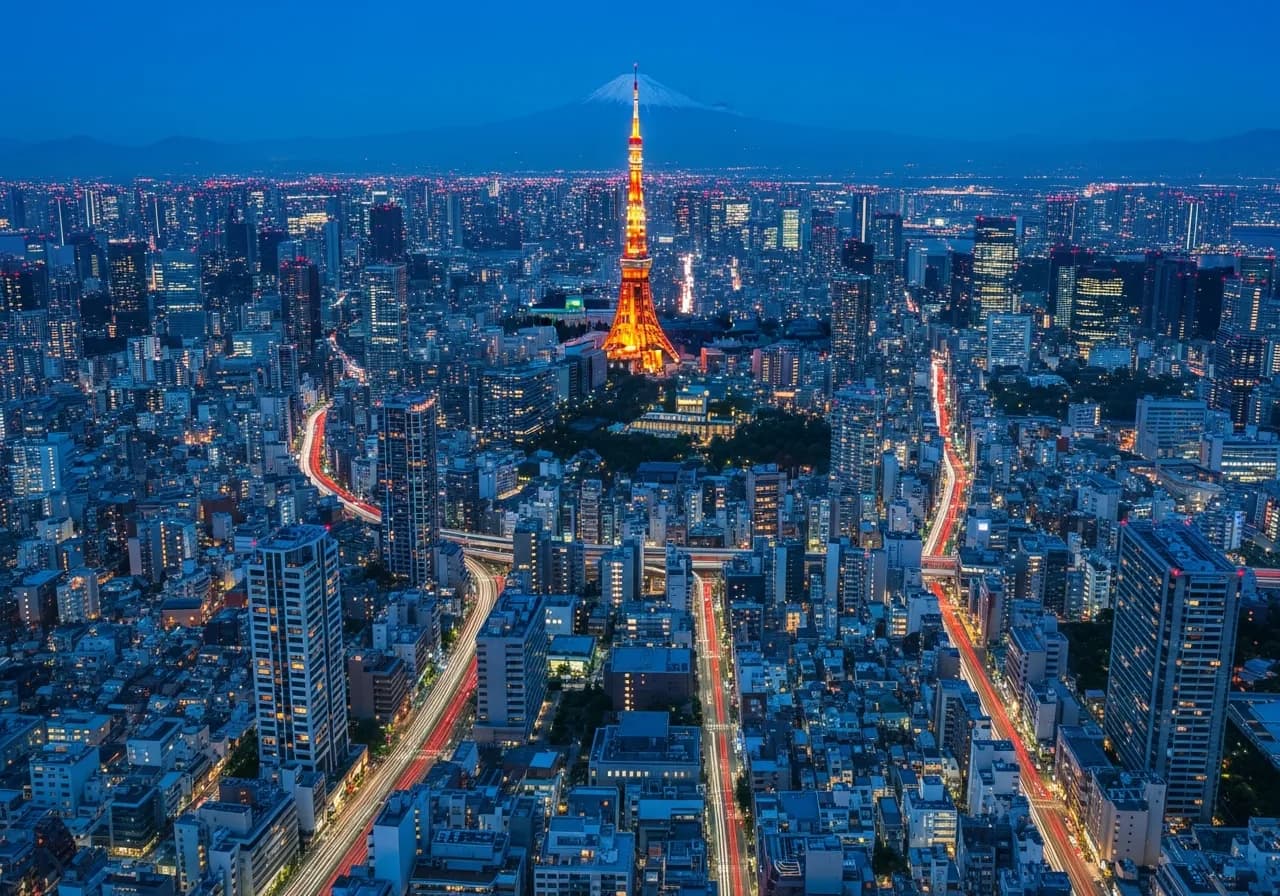
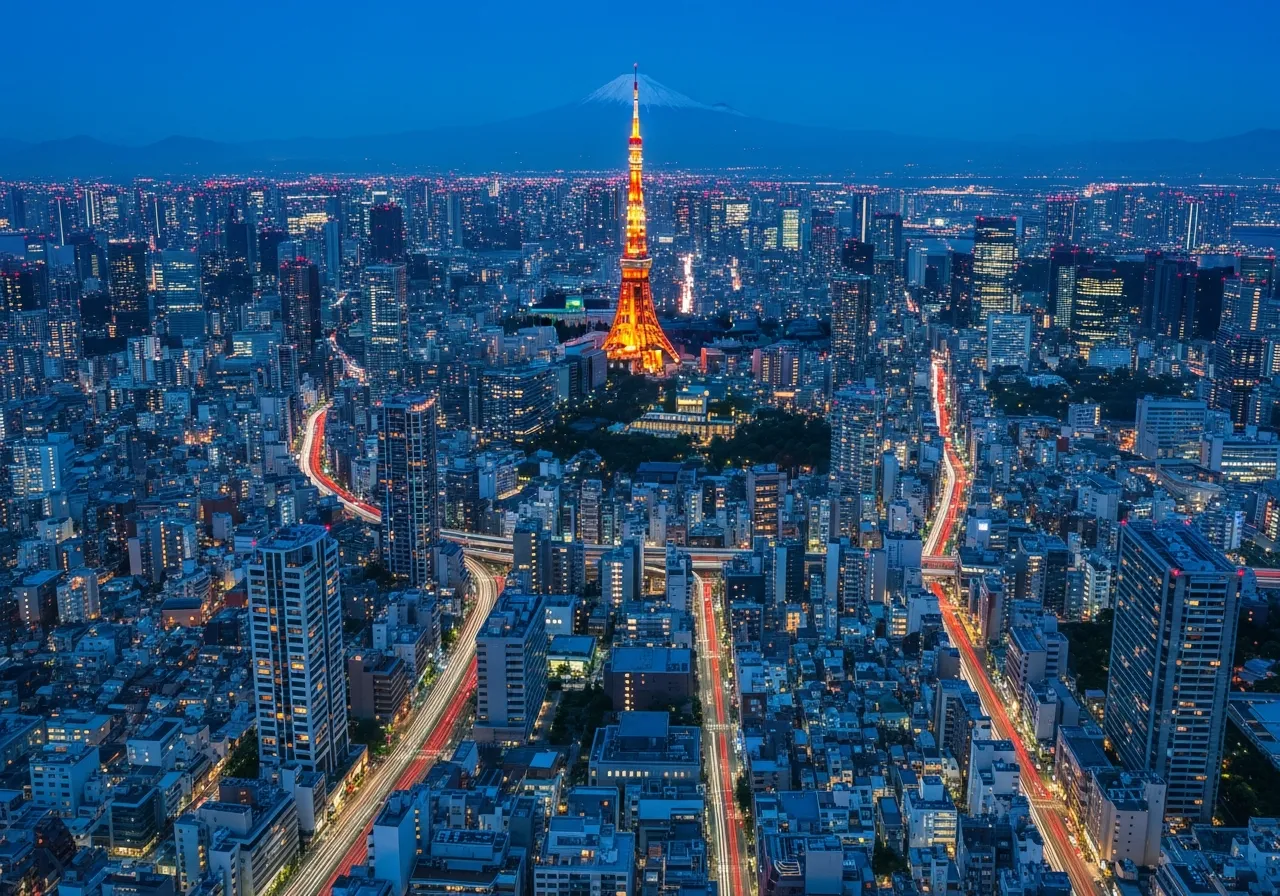
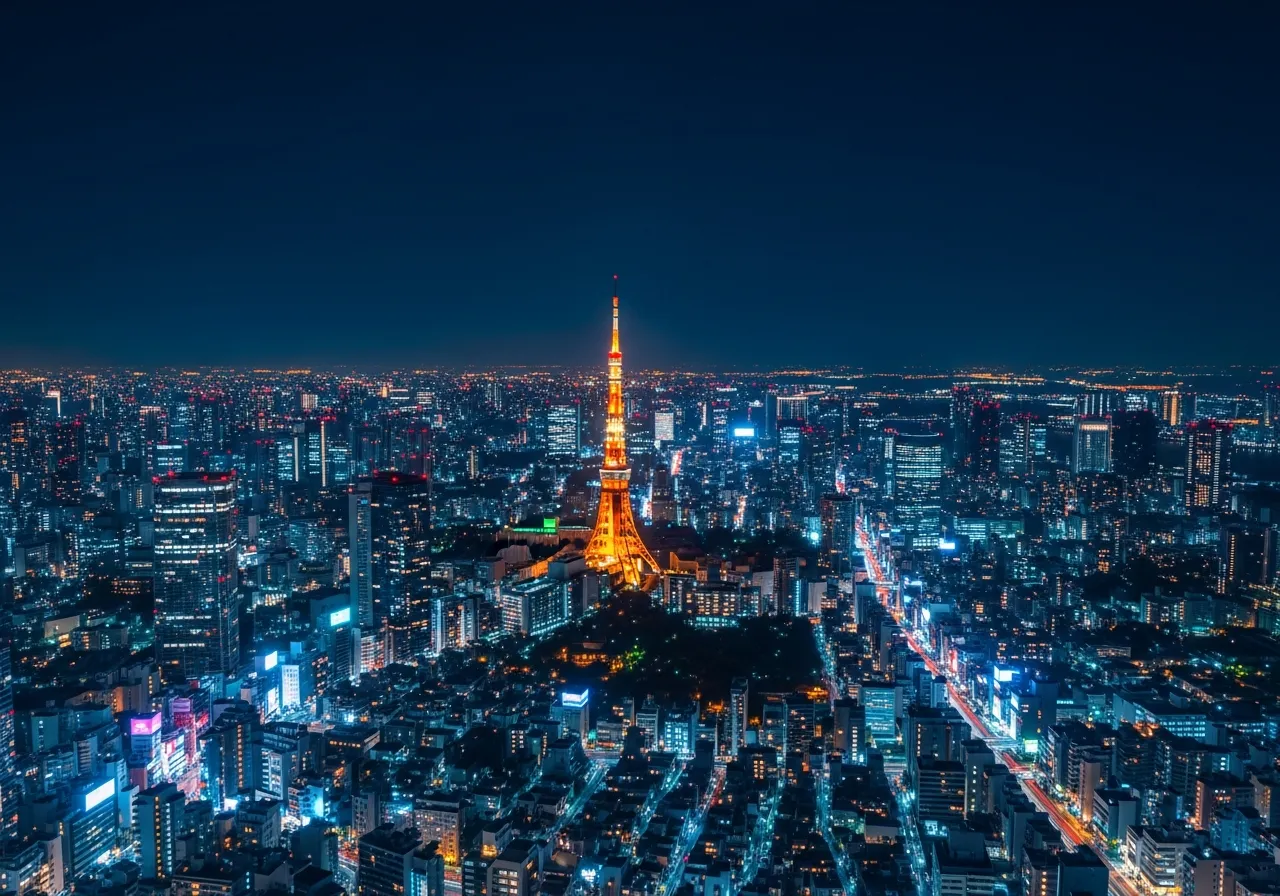
Tokyo from 1,500 feet at night is a circuit board for 45 million people. The neon concentration in Shinjuku and Shibuya visible as two distinct orange-pink nodes against the general city grid. Mount Fuji, on a clear night, silhouetted to the southwest. Book through your hotel concierge or HeliConnect Japan — 3–4 weeks ahead for weekend slots.
Private Chauffeur — Full Week
- Cost: $2,500–$4,000 (7 days, Lexus LS or Toyota Century)
- The Toyota Century is the correct choice: Japan's only domestically-produced true luxury car, found almost exclusively in Tokyo, carries the Prime Minister and corporate chairmen, and costs $180,000. Getting 45 minutes of Tokyo rush-hour transit done in under an hour is its most impressive feature.
- A full-week booking includes airport transfers, all day scheduling, and a driver who knows every back street, the correct entrance for each restaurant, and when to arrive to avoid valet queues.
VIP experiences comparison:
| Experience | Cost (couple) | Time | Worth It? |
|---|---|---|---|
| Private Senso-ji | $1,200–$2,000 | 2–3 hrs | Yes — unrepeatable |
| Sushi master session | $1,600–$3,000 | 6 hrs | Yes — educational value |
| Helicopter night flight | $1,500–$2,500 | 30 min | Yes — once per Tokyo trip |
| Full-week private driver | $2,500–$4,000 | 7 days | Yes — eliminates friction |
| Kimono fitting + photoshoot | $1,000–$1,800 | 4–6 hrs | Optional — high social content |
| Sumo stable morning viewing | $600–$1,200/person | 3 hrs | Optional — niche appeal |
Shopping: Ginza and Omotesando Spending Guide {#shopping}
Ginza is Japan's most concentrated luxury retail strip: Hermès, Dior, Chanel, Celine, Louis Vuitton, and Issey Miyake all flagship-flagging within 10 minutes of each other. Omotesando is the architectural version — Prada's crystal building, Dior's flowing white concrete, Tod's undulating structure. Budget $5,000–$10,000 for a moderate Ginza/Omotesando shop; $20,000+ if you intend to go seriously.
Ginza district highlights:
- Ginza Six: Opened 2017; the current prestige anchor. Hermès, Celine, Dior, and a rooftop garden worth the ¥0 admission.
- Wako department store: Since 1894, the original Ginza anchor. Seiko watch department is the most historically significant watch retail floor in Japan.
- Tokyu Plaza Ginza: Slightly more accessible, notably the exterior mirror facade that photographs disproportionately well.
Omotesando specifics:
- Prada Aoyama: Herzog & de Meuron glass crystal building; the architecture is the luxury product here.
- Dior Omotesando: SANAA-designed flowing white curves; multi-floor atelier-style layout.
- Cat Street vintage: Off-avenue, accessible via 3-minute walk from H&M. Luxury vintage watches at 20–30% below Ginza boutique rates for the same references.
Personal shopping services:
- Cost: $500–$1,000/day
- Value: Access to unlisted inventory, private showroom appointments, champagne service, and the intangible of not deciding between a rack of 30 bags on your own. Concierges at Aman and the Peninsula maintain established relationships and can arrange this in advance.
| Shopping approach | Typical spend (couple) | Notes |
|---|---|---|
| "Just looking" | $1,000–$3,000 | One or two considered pieces |
| Moderate buy | $5,000–$10,000 | Bag, clothing items, accessories |
| Full Ginza day | $15,000–$30,000 | Flagship-level purchasing |
| Serious collector | $30,000–$80,000+ | Watches, Hermès access, auction pre-viewing |
Full 7-Day Luxury Tokyo Itinerary: Day-by-Day Budget {#itinerary}
The optimal luxury Tokyo week balanced for spending: arrive Haneda (Aman check-in, recovery dinner); days 2–3 Asakusa + Ginza + Michelin dinners; day 4 Hoshinoya night; day 5 Kyoto shinkansen day trip; day 6 Tsukiji master + final blowout dinner; day 7 late checkout + Isetan + departure. Total: approximately $35,000–$40,000 per couple.
| Day | Key Activities | Approx. Daily Spend (couple) |
|---|---|---|
| Day 1: Arrival | Haneda → Aman check-in; Tempura Kondo dinner ($200pp) | $2,500 |
| Day 2: Old Tokyo | Private Asakusa tour; Ginza browsing; Sushi Yoshitake dinner ($350pp) | $3,200 |
| Day 3: Modern Tokyo | TeamLab Planets private entry; Den lunch ($200pp); Omotesando shopping; Ishikawa dinner ($250pp) | $4,500 |
| Day 4: Ryokan Night | Hoshinoya check-in; onsen afternoon; kaiseki dinner included | $2,500 |
| Day 5: Kyoto Day Trip | Shinkansen return ($350); Fushimi Inari private tour; Kikunoi 3-star lunch ($400pp); tea ceremony | $3,800 |
| Day 6: Tsukiji + Final Dinner | Sushi master class ($1,500pp); afternoon at hotel; Kohaku final dinner ($400pp) | $5,200 |
| Day 7: Departure | Late checkout; Isetan depachika; souvenir strawberries ($50); driver to Narita | $1,500 |
| Private driver (full week) | — | $3,000 |
| WEEK TOTAL | ~$26,200 activities/dining + hotel |
Add accommodation at Aman standard rate ($1,500/night × 5 nights + Hoshinoya $2,000) = $9,500. Full 7-day total: approximately $35,700.
Shinkansen first class (Kyoto day trip): Gran Class on the Nozomi Shinkansen — $180–$220/person return, private-airline-sized seats, meal service, 2h 15min Osaka–Tokyo transit. The bullet train experience itself is a VIP activity.
Total Budget Summary {#budget-summary}
| Scenario | Hotel/night | Dining/day | Experiences | Shopping | 7-Day Total (couple) |
|---|---|---|---|---|---|
| Mid-Luxury | $1,400 | $500 | $6,000 total | $5,000 | $32,000 |
| High Luxury | $2,200 | $800 | $10,000 total | $12,000 | $50,000 |
| Ultra-Luxury | $5,000+ | $1,500 | $15,000 total | $25,000+ | $90,000+ |
| Solo (Mid) | $1,400 | $280 | $4,500 total | $3,000 | $21,000 |
Japan Rail Pass vs. private driver: A 7-day Japan Rail Pass (Green Car) costs $475/person and is efficient for Kyoto day trips. For Tokyo city movement, a private driver week ($2,500–$4,000) outperforms the pass for time efficiency. The correct setup: buy a JR Pass, book a private driver for in-city days, use the shinkansen directly for Kyoto.
Tipping in Japan: No tipping culture. Service charges are not added to restaurant bills. At luxury hotels, a small gift (gift-wrapped item from a well-regarded department store) is more appropriate than cash. Do not tip at restaurants; the gesture is uncomfortable for most staff. Budget this category at zero.
Frequently Asked Questions About Luxury Tokyo Itinerary Cost {#faq}
$22,000–$67,000 per couple, depending on hotel tier and spending preferences. The sweet spot for most luxury travelers is $32,000–$42,000: Aman Tokyo or Peninsula for 5–6 nights ($1,200–$1,800/night), 2–3 Michelin dinners ($300–$500/person), 3–4 VIP experiences ($6,000–$8,000 total for the couple), private driver ($3,000), and moderate shopping. Solo travelers should budget 60–70% of the couple rate.
Aman Tokyo leads for design, spa quality, and the distinctive lobby experience. The Peninsula leads for service consistency, location proximity to Ginza, and its fleet of Rolls-Royce guest vehicles. Park Hyatt is the best value per square foot and has the most storied bar in the city. For a 7-night stay, consider 5 nights at Aman or Peninsula and 1 night at Hoshinoya for the ryokan experience.
$400–$500 per person as of 2026. The meal is 20 courses, approximately 30 minutes — nigiri presented in the correct order of flavour progression, temperature controlled to within 1°C. Reservations require a hotel concierge connection or established relationship with the restaurant. Do not attempt to book directly as a first-time visitor.
Yes, by approximately 15–25%. Michelin-starred meals cost $150–$400/person in Tokyo versus $300–$600/person in Paris. Hotel rooms at comparable luxury properties are similar in headline price but frequently better quality in Tokyo. The weak yen adds a further 20–25% purchasing power advantage for USD-based travelers that has persisted since 2022.
The three highest-value luxury experiences: (1) Private after-hours temple access ($1,200–$2,000) — Senso-ji without visitors is a different building than the daytime tourist experience; (2) Private sushi master session at Tsukiji ($800–$1,500/person) — teaches you what you're actually eating for the rest of the trip; (3) Full-week private driver ($2,500–$4,000) — removes all friction from the itinerary and is the single best operational upgrade.
No. All category 1 luxury hotels have English-speaking concierge staff 24 hours. Top Michelin restaurants either have English menus or staff who explain in English. Google Translate camera handles menus, signage, and menus at non-tourist restaurants. Learning three phrases — sumimasen (excuse me), arigatou gozaimasu (thank you), kudasai (please) — measurably improves service interactions at every level.
📖 Related Reading
- Aman Tokyo Review 2026: Kerry Hill's Final Hotel
- Four Seasons vs. Ritz-Carlton 2026: Full Comparison
- Best Hotels in the World 2026: The Ranked Guide
Keep Reading
- Most Expensive Restaurants in the World: 34 Meals Reviewed
- Michelin Star Restaurants Paris 2026: What They Cost
- Emirates First Class Review 2026: The Real Experience
Get the Luxury Index Weekly — our free Friday email covering hotel rates, restaurant pricing, and destination research. No paid placements. Subscribe →
By Marcus Chen, ex-Wall Street trader turned full-time luxury travel obsessive. I've spent more on hotel minibars than most people spend on cars, and I regret nothing.
Look, I've blown six figures on a single week in Monaco. I've had dinner in Paris where the wine cost more than my first apartment. But Tokyo? Tokyo hits different. It's not just luxury—it's precision luxury.
Every yen you spend feels intentional, almost surgical.
So when people ask me, "Marcus, what's the real luxury Tokyo 7-day itinerary cost?"—and trust me, they do ask, usually over very expensive cocktails—I don't give them some vague "it depends" nonsense. I give them numbers. Cold, hard, make-your-accountant-weep numbers.
Because here's the truth: Tokyo is where ancient elegance meets futuristic excess, and if you're going to do it right, you need to know exactly what you're getting into. No surprises. No "I thought that temple visit was included" moments. Just pure, unadulterated, perfectly choreographed indulgence.
How Much Does a Luxury Tokyo 7-Day Itinerary Cost in 2026?
Alright, let's rip the band-aid off.
If you want to experience Tokyo the way I do—the way where you never wait in line, never take the subway, never wonder "is this the best restaurant or just the most Instagrammed?"—you're looking at $25,000 to $65,000 USD for a couple. That's roughly £19,500 to £50,500 GBP at current exchange rates.
I know. I know. Breathe.
But before you close this tab and book a hostel in Shibuya, hear me out. That range spans "very nice luxury" to "I just bought a small island" territory. Most of my clients—successful entrepreneurs, finance folks, that couple from Connecticut who sold their tech company—land somewhere around $35,000-$40,000 for the week. That's the sweet spot. The "I'm rich but I still look at price tags" zone.
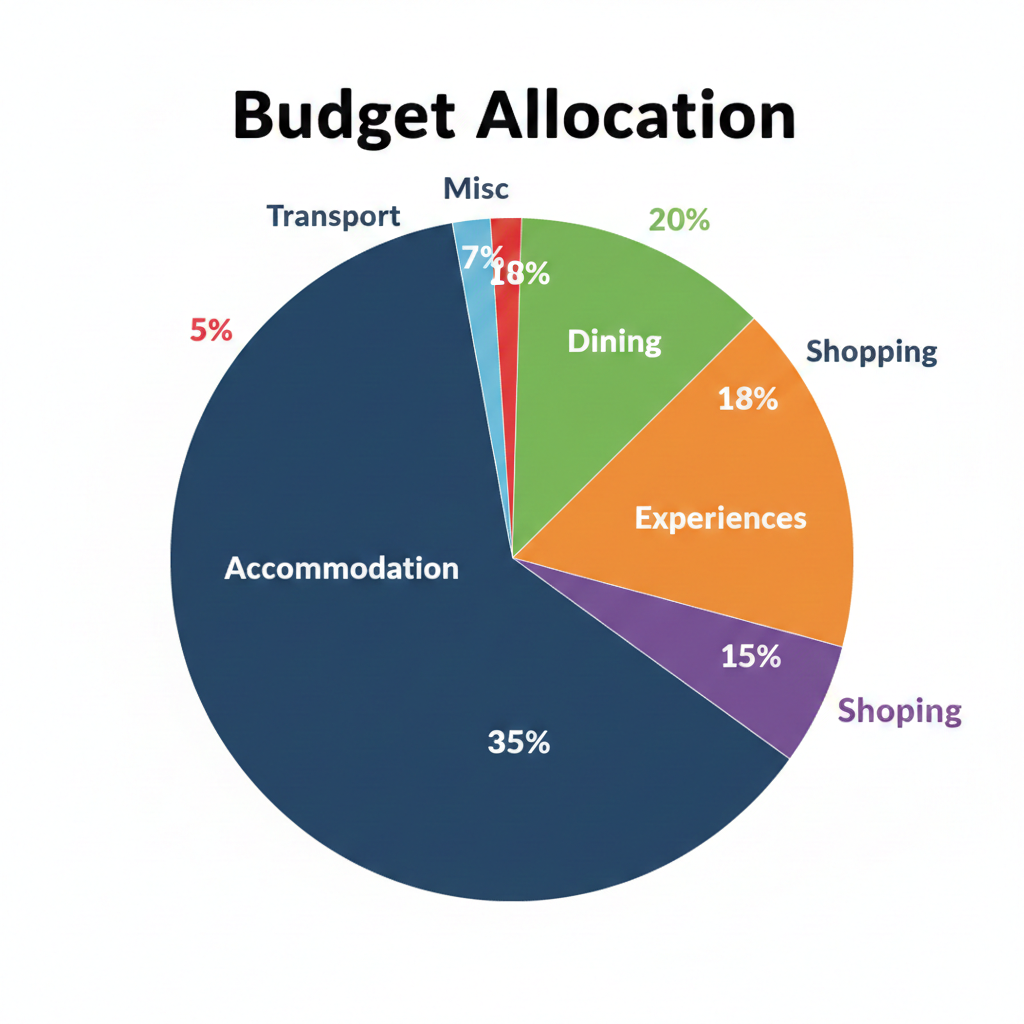
Complete Cost Breakdown Table
| Category | Mid-Luxury (USD) | Ultra-Luxury (USD) | Mid-Luxury (GBP) | Ultra-Luxury (GBP) |
|---|---|---|---|---|
| Accommodation | $7,000 | $18,000+ | £5,400 | £14,000+ |
| Dining & Drinks | $5,000 | $12,000 | £3,900 | £9,300 |
| VIP Experiences | $4,000 | $10,000 | £3,100 | £7,800 |
| Shopping | $3,000 | $15,000+ | £2,300 | £11,600+ |
| Transport | $2,500 | $5,000 | £1,950 | £3,900 |
| Misc/Buffer | $2,000 | $5,000 | £1,550 | £3,900 |
| TOTAL | $23,500 | $65,000+ | £18,200 | £50,500+ |
Pro Tip: These are 2026 estimates based on current inflation trends and my recent conversations with hotel GMs. Always budget 15% more than you think. Trust me on this.
Tokyo Luxury Hotel Prices 2026: Where to Stay
Let me tell you about the time I tried to book the Aman Tokyo suite with the best view during cherry blossom season. I called three months ahead. Three months. They laughed at me. Politely, because it's Japan, but still—laughed.
Here's what you need to know about Tokyo luxury hotel prices 2026: they're not just high, they're stratospheric during peak seasons. But oh my god, worth it.
The Big Three (And What They'll Cost You)
Aman Tokyo (Otemachi)
- Standard Room: $1,200-$1,800/night (£930-£1,400)
- Premier Suite: $3,500-$5,000/night (£2,700-£3,900)
- The Corner Suite: $6,000+/night (£4,650+)
My take: The 33rd-floor lobby will make you feel like you've ascended to heaven. The onsen-style bathrooms are bigger than my New York apartment. I once spent an entire day just moving between the spa, the pool, and my room. Zero regrets.
The Peninsula Tokyo (Yurakucho)
- Deluxe Room: $900-$1,400/night (£700-£1,100)
- Grand Premier Suite: $2,800-$4,200/night (£2,200-£3,300)
My take: The Peninsula is where old money goes to feel young again. Their fleet of Rolls-Royces (yes, plural) for guest transport is the kind of ridiculous excess I live for. Plus, the location is unbeatable—staring at the Imperial Palace while you drink your $20 morning coffee.
Park Hyatt Tokyo (Shinjuku)
- Park Room: $800-$1,200/night (£620-£930)
- Park Suite: $2,200-$3,500/night (£1,700-£2,700)
- Tokyo Suite: $5,000+/night (£3,900+)
My take: Yes, that Lost in Translation hotel. The New York Bar still gives me chills. Bill Murray's character was onto something—there's something about sipping a $30 cocktail on the 52nd floor that makes you contemplate your life choices. In a good way.
The Ryokan Wildcard
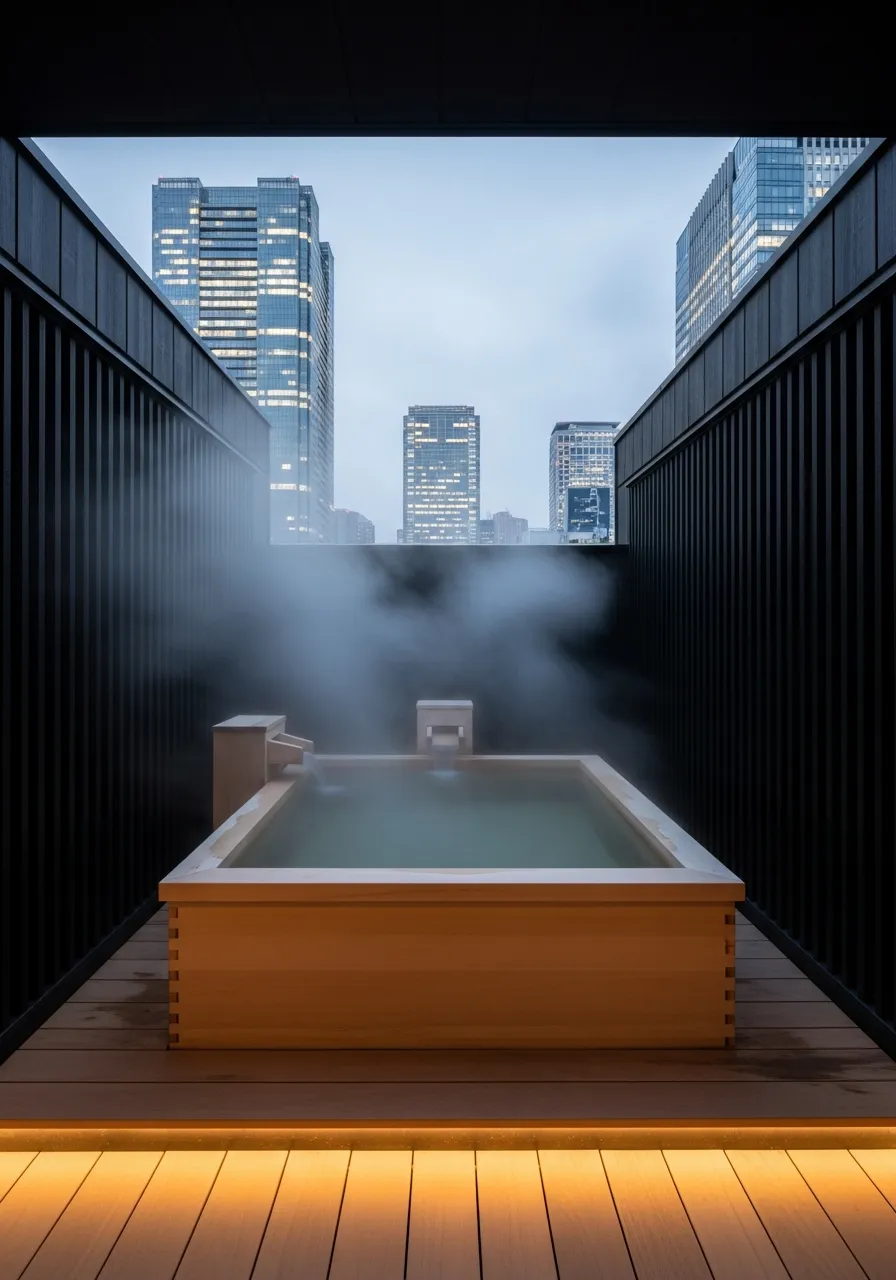
Now, if you really want to flex on your friends back home, you splurge on a luxury ryokan for one night. Not your average tatami-mat situation—these are the "I need to mentally prepare for this bill" places.
Hoshinoya Tokyo (Ochanomizu)
- $1,500-$2,500 per night (£1,160-£1,940) for two people
My take: It's a ryokan. In a skyscraper. With an elevator that looks like a wooden lantern. I checked in and immediately felt like I'd time-traveled to the Edo period, except with WiFi and climate control. The kaiseki dinner included in your stay? I've paid $500 for worse meals in Manhattan.
Pro tip from someone who learned the hard way: Book your hotels six months ahead for spring/fall. I'm serious. Set a calendar reminder. The good suites disappear faster than my willpower at a sake tasting.
One Week Tokyo Michelin Restaurants Budget
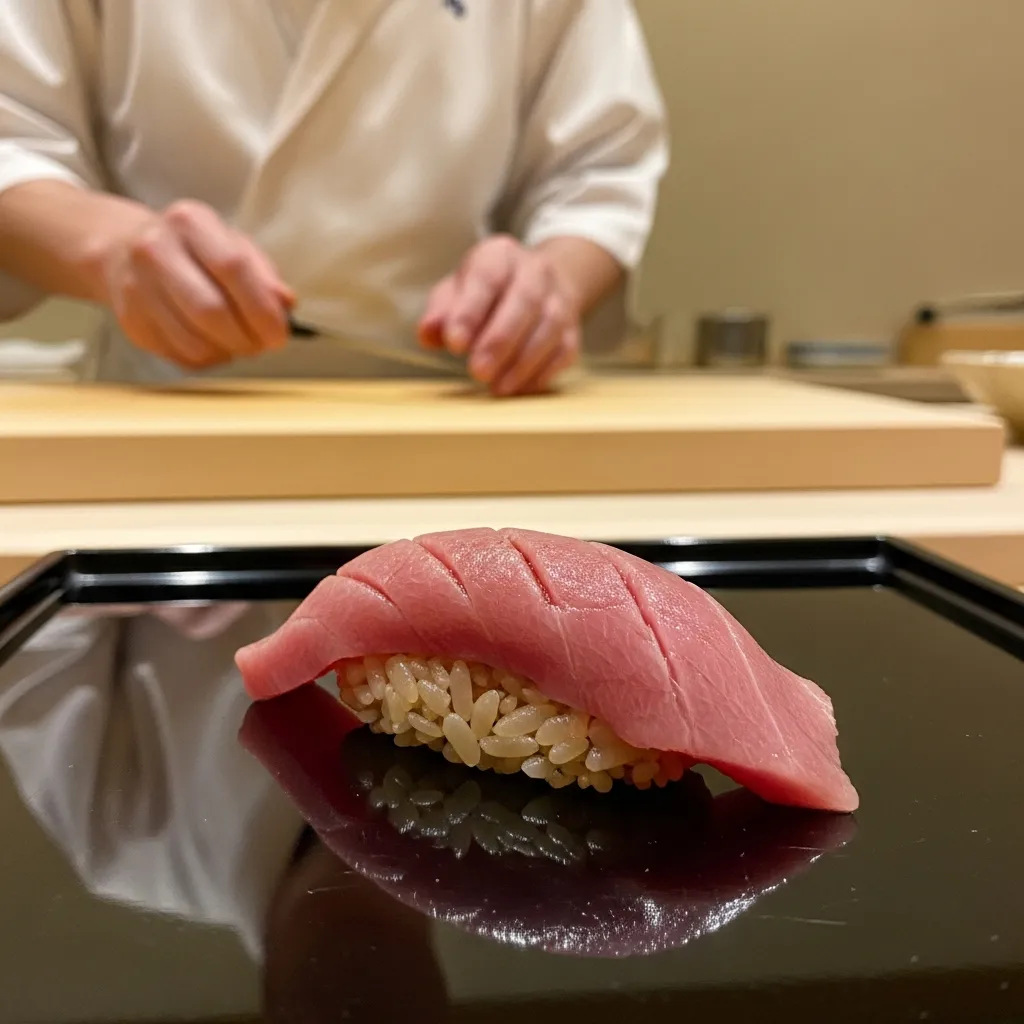
Okay, confession time: I've cried at a Michelin-starred restaurant in Tokyo. Not because the bill arrived (though I did gasp), but because the food was so transcendentally perfect that my brain short-circuited. It was at Sukiyabashi Jiro. Yes, that Jiro. The documentary one.
I sat there, eating a piece of tuna that probably swam in waters older than my grandmother, and I just... leaked. Right there at the counter. The chef pretended not to notice. Japanese hospitality is incredible that way.
So when we talk about your one week Tokyo Michelin restaurants budget, understand that you're not just paying for food. You're paying for emotional damage in the best possible way.
The Star System (And What It Costs)
3-Star Experiences (The "Once in a Lifetime, Maybe" Tier)
-
Sukiyabashi Jiro (Ginza): ~$400-$500 per person (£310-£390)
- Omakase only, 20 courses, 30 minutes of pure, unadulterated fish bliss
- Getting a reservation requires connections I don't have, so I use a concierge
-
Kohaku (Kagurazaka): ~$350-$450 per person (£270-£350)
- Kaiseki that will make you question every meal you've ever eaten
- I still dream about their soup
-
Quintessence (Shirokanedai): ~$400-$500 per person (£310-£390)
- French-Japanese fusion that shouldn't work but absolutely does
- The chef remembers returning guests. I'm embarrassed by how often he remembers me
2-Star Experiences (The "This Is Actually Reasonable" Tier)
-
Sushi Saito (Roppongi): ~$250-$350 per person (£190-£270)
- If you can get in. I say "if" because it's harder to book than a meeting with the Pope
-
Florilège (Aoyama): ~$200-$280 per person (£155-£220)
- Counter seating only, young chef doing wild things with fire and French techniques
- I took a date here once. We're married now. Coincidence? Probably not
1-Star & Bib Gourmand (The "I Can Actually Afford to Breathe Here" Tier)
-
Tonki (Meguro): ~$30-$50 per person (£23-£39)
- The best tonkatsu in the universe. No stars, but I'd trade half the Michelin places for their pork cutlet
-
Ishikawa (Kagurazaka): ~$200-$280 per person (£155-£220)
- Intimate, traditional, the chef's wife serves you personally
- It feels like being invited to someone's home, if that someone was a culinary genius
The Omakase Reality Check
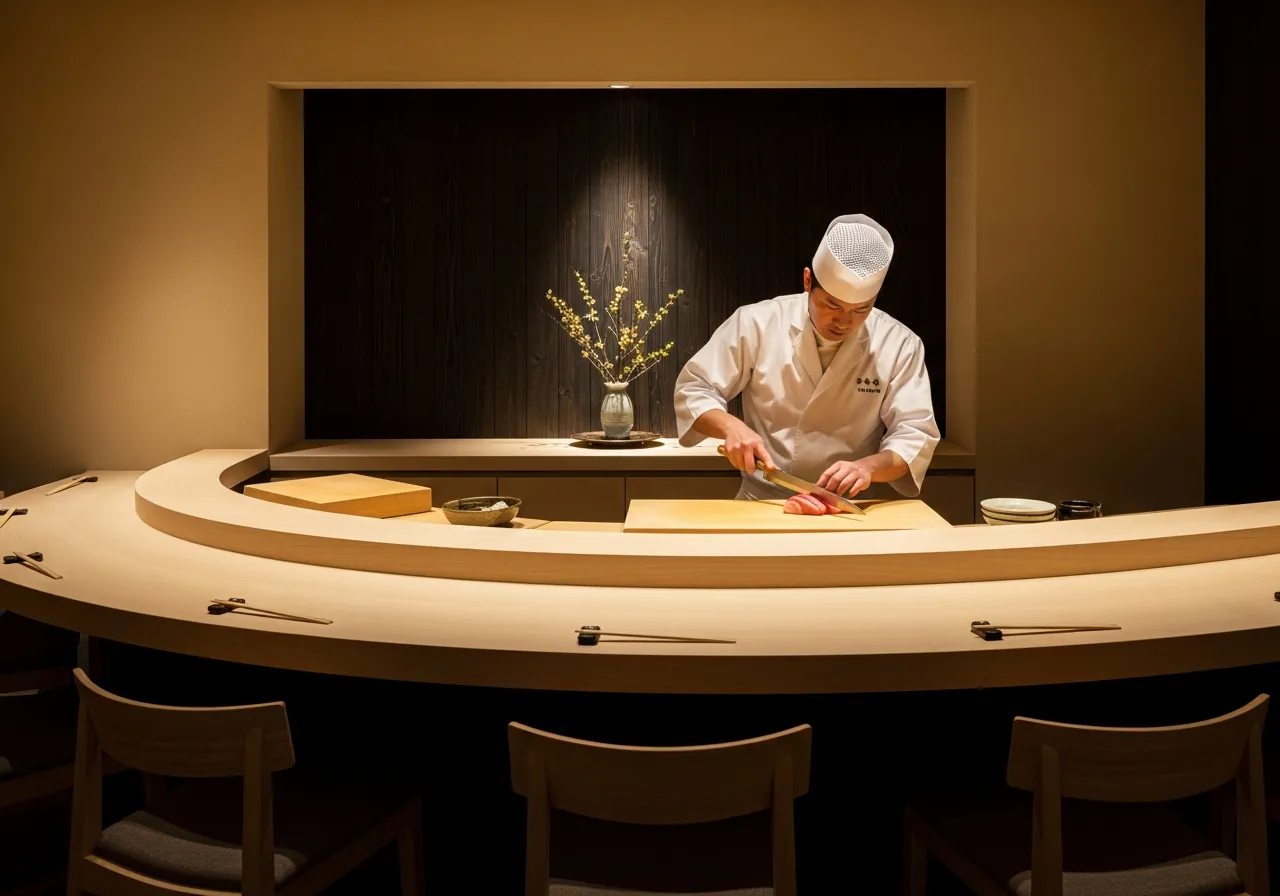
Let's talk omakase price ranges, because this is where budgets go to die. "Omakase" means "I'll leave it to you"—you're trusting the chef completely. And in Tokyo, that trust costs:
| Type | Price Per Person (USD) | Price Per Person (GBP) |
|---|---|---|
| High-end sushi omakase | $300-$600 | £230-£465 |
| Mid-tier (still incredible) | $150-$250 | £115-£195 |
| "Hidden gem" quality | $80-$150 | £60-£115 |
Drink pairings: Add $80-$200 per person (£60-£155) for sake or wine pairings. I once did a $300 sake pairing at a 3-star place. I don't remember getting back to my hotel, but I do remember thinking I understood the universe for about 45 minutes.
My realistic weekly dining budget: If you're doing this right—mix of high and mid-tier, maybe one splurge meal—you're looking at $4,000-$6,000 for two people (£3,100-£4,650) for the week. That's eating very, very well. Like, "I need to buy bigger pants" well.
VIP Tokyo Experiences Price Guide
Here's where I get really animated, because this is the stuff that separates the "nice vacation" from the "holy shit, did that really happen?" experiences.
I once had a private tea ceremony in a 400-year-old house in Kyoto where the tea master spoke no English and I spoke no Japanese, and we communicated purely through the language of perfectly whisked matcha. It was one of the most profound moments of my life. And it cost $800 for two hours.
Worth. Every. Penny.
The Experiences That Justify the Credit Card Debt
Private After-Hours Temple Tour (Senso-ji, Asakusa)
- Cost: $1,200-$2,000 for 2-3 hours (£930-£1,550)
- What you get: The temple to yourself. No crowds. Just you, a monk who explains the history in perfect English, and the sound of your own breathing in a thousand-year-old space.
- My experience: I did this at sunset. I don't believe in past lives, but if I did, I'm pretty sure I was a monk in one of them.
- Pro tip: Ask them to arrange the gong ceremony. When that thing rings, you feel it in your bones.
Private Sushi Master Experience (Tsukiji Outer Market)
- Cost: $800-$1,500 per person (£620-£1,160)
- What you get: You don't just eat sushi—you make it with a master who has 40 years of experience. He'll tolerate your terrible knife skills with infinite patience. Mine laughed for a solid minute when I tried to shape rice. It looked like a potato.
- Includes: Market tour at 5 AM (painful but necessary), breakfast at the master's favorite spot, private lesson, and a 15-course lunch you made yourself (with heavy guidance).
Chauffeur-Driven Luxury Car (Full Week)
- Cost: $2,500-$4,000 for 7 days (£1,940-£3,100)
- What you get: Your own driver, usually in a Lexus LS or Toyota Century (the Japanese Rolls-Royce, and honestly, more comfortable). They know every back street, every shortcut, every "how did you know about this place?" restaurant.
- My story: My driver, Kenji, once got me from Roppongi to Narita Airport in 45 minutes during rush hour. I still don't know how. I think he bent space-time.
Helicopter Tour Over Tokyo (Night Flight)
- Cost: $1,500-$2,500 for 30 minutes (£1,160-£1,940)
- What you get: Tokyo at night from above. The neon. The endless sprawl. Mount Fuji in the distance if you're lucky.
- Personal note: I proposed to my wife during one of these. She said yes, probably because she was terrified and wanted to get back on solid ground, but I'll take it.
Private Kimono Fitting & Photoshoot (Gion, Kyoto day trip)
- Cost: $1,000-$1,800 for full day (£775-£1,400)
- What you get: A real silk kimono (not the tourist polyester), professional styling, hair and makeup, and a photographer who follows you around ancient streets. You'll look like royalty. You'll feel like you're in a movie. Because essentially, you are.
Sumo Stable Morning Practice (Private Viewing)
- Cost: $600-$1,200 per person (£465-£930)
- What you get: Watch wrestlers train at 7 AM, up close, no barriers. The sound of bodies hitting clay is something you don't forget. I've seen these guys up close—they're not fat, they're powerful. Like, "could crush a watermelon between their thighs" powerful.
Total VIP experiences budget: If you pick 3-4 of these, you're looking at $5,000-$8,000 (£3,900-£6,200) for the week.
This is where you decide: do I want memories, or do I want a slightly bigger number in my bank account? I chose memories. My bank account recovered. My memories are forever.
High-End Tokyo Shopping and Dining Expenses
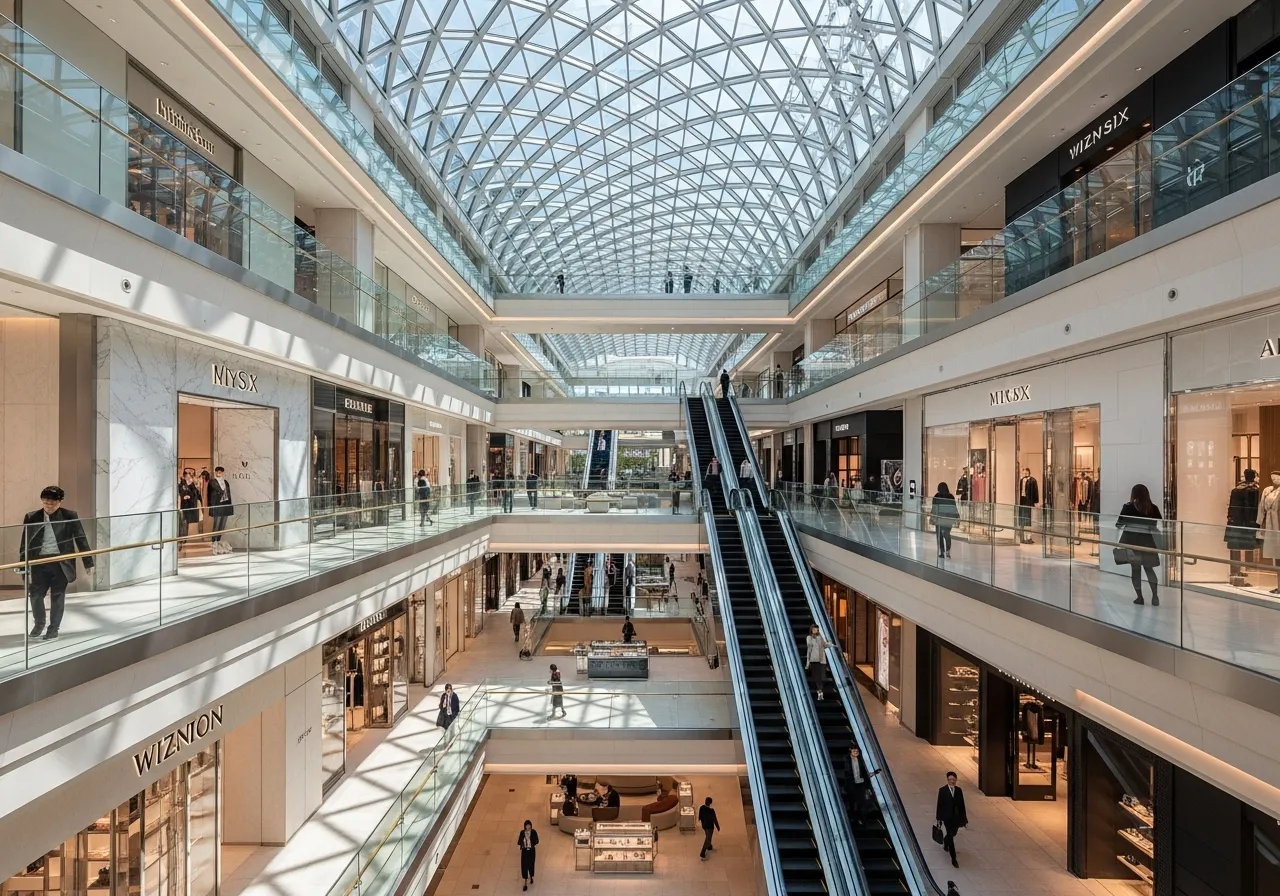
I have a problem with Ginza. It's not my fault—it's just that when you walk down a street where every building is a flagship store for brands that require appointments just to enter, something in my lizard brain activates. Suddenly I need a $5,000 scarf. I need it.
Ginza: Where Wallets Go to Die (Beautifully)
The Flagship Experience
- Ginza Six: The newest, shiniest temple to capitalism. Hermès, Dior, Celine, plus a rooftop garden with views that make you forget you're about to spend your children's inheritance.
- Tokyu Plaza Ginza: Slightly more accessible, but still dangerous. I once went in for coffee and came out with a $2,000 jacket. I don't know how. I think the building hypnotized me.
- Wako (the clock tower building): The original. Since 1894. They sell Seiko watches that cost more than cars. I bought one. I tell myself it's an "investment." It's not. It's just really pretty.
Typical spending range: If you're doing a "light" luxury shop—maybe a bag, some clothes, a few accessories—budget $5,000-$10,000 (£3,900-£7,750). If you're going hard? Sky's the limit. I know a guy who dropped $80,000 on a single visit to the Ginza Hermès. He had to ship it home. The box was the size of a refrigerator.
Omotesando: The "I Have Taste, Not Just Money" District
Omotesando is where the old money shops. It's quieter. More trees. The buildings are architectural marvels—Prada's glass crystal, Dior's flowing white curves, Tods' undulating concrete. Even if you buy nothing, just walking here is an aesthetic experience.
The Hidden Gems
- Cat Street: Vintage shops where you can find $50,000 watches for $30,000. Bargain! (I know, I know, but in the luxury world, that's a steal.)
- The Share Hotels: Concept stores where you can buy furniture, clothes, and art all in one place. I bought a chair here once. It cost $4,000. It's uncomfortable as hell. But it looks incredible.
Personal shopping services: If you really want to feel like a VIP, hire a personal shopper. They'll pull items before you arrive, serve you champagne while you try things on, and generally make you feel like the main character in a movie about rich people.
- Cost: $500-$1,000/day (£390-£775)
- Value: They get you access to pieces not on the floor and sometimes discounts that offset their fee
Dining While Shopping (Because You'll Need Fuel)
Ginza Kojyu (2 Michelin stars, lunch is "affordable")
- Cost: $150-$200 for lunch set (£115-£155)
- Why: It's in the heart of Ginza, it's incredible, and lunch is half the price of dinner. I always schedule a shopping day around a Kojyu lunch. It's my reward for not buying everything in sight.
Café Dior by Pierre Hermé (Ginza Six)
- Cost: $50-$80 for afternoon tea (£40-£60)
- Why: You sit in Dior furniture, eat Dior-colored macarons, and feel fancy as hell. I bring every client here. They always post about it. It always gets more likes than my food photos.
Total shopping/dining budget: Honestly? This is the most variable category. I've seen people do Tokyo luxury for $2,000 in shopping. I've seen people do $100,000. For planning purposes, I'd say $5,000-$15,000 (£3,900-£11,600) is the "I bought some nice things but didn't need a second mortgage" range.
Full 7-Day Luxury Tokyo Itinerary (Day-by-Day Breakdown)
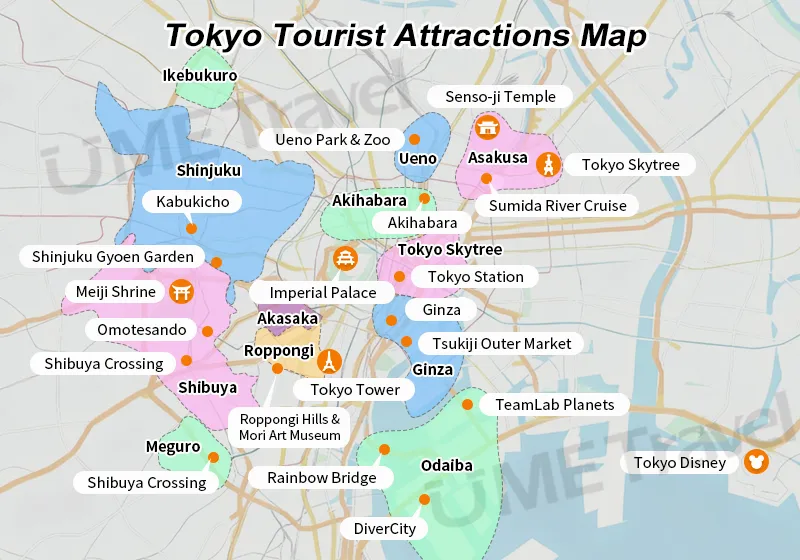
Alright, this is where I put it all together. This is based on my actual trip last November, modified slightly because I learned a few things (like, don't schedule a 7 AM temple visit after a 3-star dinner with wine pairings).
Day 1: Arrival & Acclimatization
Morning: Land at Haneda (if you're smart) or Narita. Your driver meets you at arrivals. Don't take the train. You're not a backpacker. You're here to be pampered.
Afternoon: Check into Aman Tokyo or The Peninsula. Take a long bath. Like, two hours. Order room service. The jet lag is coming, and you need to face it well-rested.
Evening: Early dinner at Tempura Kondo (Ginza). It's tempura, but elevated—lobster, sea urchin, seasonal vegetables in the lightest batter you've ever tasted. About $200/person. Go to bed at 9 PM like a grandma. No shame.
Daily spend: ~$2,500 (£1,940) (mostly hotel)
Day 2: Old Tokyo & The First Splurge
Morning: Private guided tour of Asakusa. See Senso-ji without the crowds (your guide knows the back entrances). Visit the hidden shrines that tourists miss. I found one where you can write wishes on tiny wooden arrows. Mine was about finding more good ramen.
Afternoon: Lunch at Kagari (Ginza)—chicken ramen so good it has a Michelin Bib Gourmand. Yes, Michelin-rated ramen. About $25. Then shopping in Ginza, but just browsing today. Touch things. Make mental notes.
Evening: Your first big dinner: Sushi Saito or Sukiyabashi Jiro if you got the reservation. If not, Sushi Yoshitake is incredible and slightly easier to book. Budget $400/person. This is where you start questioning your life choices in the best way.
Daily spend: ~$3,000 (£2,325)
Day 3: Modern Tokyo & Culture
Morning: Private tour of TeamLab Planets (the digital art museum). Your guide gets you in before opening. Walking through water with digital koi swimming around your feet—it's like being inside a dream. Or a screensaver, but a really expensive one.
Afternoon: Lunch at Den (Jimbocho)—modern kaiseki, playful, the chef might serve you a "Dentucky Fried Chicken" that's actually transcendent. About $200/person. Then shopping in Omotesando. Buy that thing you touched yesterday.
Evening: Drinks at New York Bar (Park Hyatt), then dinner at Ishikawa. Intimate, traditional, you'll be the only foreigners. The chef's wife will make you feel like family. About $250/person.
Daily spend: ~$2,800 (£2,170)
Day 4: The Ryokan Experience
Morning: Check out of your hotel (they'll store your bags). Take a private car to Hoshinoya Tokyo. Check in early if possible.
Afternoon: Onsen time. Soak in the rooftop bath. Stare at the sky. Contemplate existence. This is not a day for activities. This is a day for being.
Evening: The included kaiseki dinner. 12 courses. Each one a work of art. The staff explains every dish in perfect English. You'll be in bed by 10 PM because ryokan beds are surprisingly comfortable and you're incredibly relaxed.
Daily spend: ~$2,500 (£1,940) (ryokan includes dinner)
Day 5: Kyoto Day Trip (Yes, It's Worth It)
Morning: Shinkansen (bullet train) first class to Kyoto. Your concierge arranged everything. 2 hours 15 minutes of smooth, fast travel.
Afternoon: Private guide meets you. Fushimi Inari shrine at midday (fewer crowds), then the bamboo grove in Arashiyama. Lunch at Kikunoi (3-star kaiseki, about $350/person, worth every yen).
Evening: Tea ceremony in a 400-year-old house. Then back to Tokyo by train. Arrive by 10 PM. Collapse into your hotel bed.
Daily spend: ~$3,500 (£2,715)
Day 6: Food, Glorious Food
Morning: Tsukiji Outer Market with a food guide. Eat everything: tamago (sweet egg), fresh tuna, sea urchin so fresh it's still moving (kidding, but barely). This is where you learn what fish is supposed to taste like.
Afternoon: Private sushi-making class with a master. You will be terrible at it. You will have fun anyway. Eat your creations for lunch.
Evening: Your final blowout dinner: Quintessence or Kohaku. 3 stars. 3 hours. Wine pairings. The whole thing. Budget $600/person with drinks. This is your "remember this forever" meal.
Daily spend: ~$3,200 (£2,480)
Day 7: Departure (Or Extension)
Morning: Sleep in. Late breakfast at hotel. Maybe one last walk through the Imperial Palace gardens if you're feeling ambitious.
Afternoon: Last-minute shopping. Souvenirs at Isetan (the depachika—basement food hall—is insane). Buy the $50 strawberries. They're worth it.
Evening: Car to airport. Fly home. Start planning your return trip immediately.
Daily spend: ~$1,500 (£1,160)
Total Budget Summary: What to Expect to Spend
Okay, let's add it all up. I know, math is hard, especially after all that sake.
The "I'm Successful But Sensible" Estimate (Per Couple)
| Category | Cost (USD) | Cost (GBP) |
|---|---|---|
| Hotels (6 nights luxury, 1 night ryokan) | $10,000 | £7,750 |
| Dining (mix of high and mid-tier) | $5,500 | £4,265 |
| VIP Experiences (3-4 activities) | $6,000 | £4,650 |
| Shopping (moderate) | $5,000 | £3,875 |
| Transport (private car, trains, flights) | $3,000 | £2,325 |
| Misc (tips, buffers, "oh shit" money) | $2,500 | £1,940 |
| TOTAL | $32,000 | £24,800 |
The "I Sold My Company and I'm Celebrating" Estimate (Per Couple)
| Category | Cost (USD) | Cost (GBP) |
|---|---|---|
| Hotels (all suites, all the time) | $20,000 | £15,500 |
| Dining (3-star every night, basically) | $12,000 | £9,300 |
| VIP Experiences (all of them, why not) | $10,000 | £7,750 |
| Shopping (you saw it, you bought it) | $15,000 | £11,625 |
| Transport (helicopter, private car, first class) | $5,000 | £3,875 |
| Misc (concierge fees, emergency shopping) | $5,000 | £3,875 |
| TOTAL | $67,000 | £51,925 |
Solo Travelers
Take the couple estimate and multiply by 0.65. Hotels are the killer—you don't split them. But dining and experiences are per person anyway. Budget $20,000-$45,000 (£15,500-£34,875) for solo luxury.
Is Luxury Tokyo Worth the Cost?
Look, I'm not going to blow smoke up your ass. That's $30,000-$70,000. You could buy a car. You could put a down payment on a house in some parts of the world. You could invest it and probably turn it into $100,000 in ten years.
But here's what I think about, usually around 2 AM when I can't sleep:
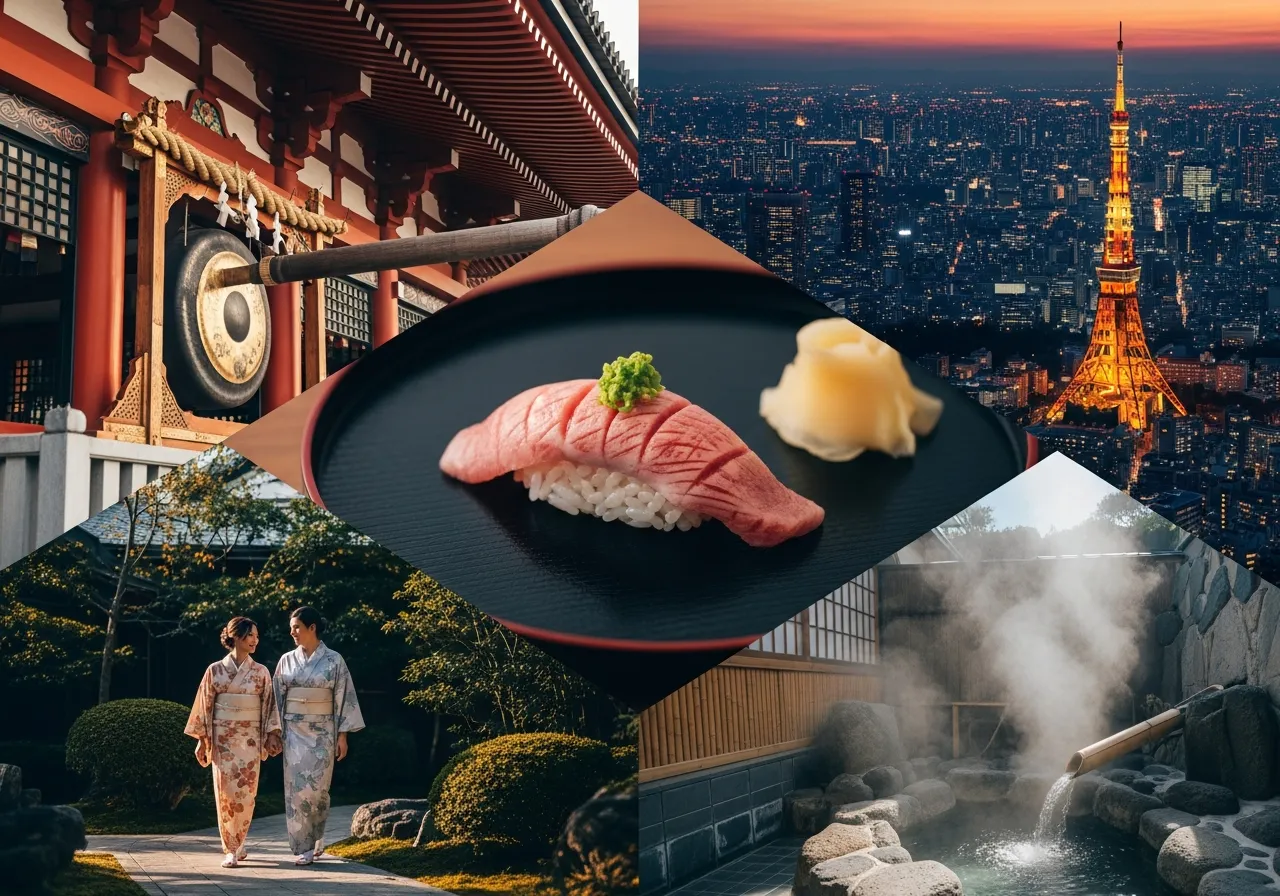
I remember the sound of the gong at Senso-ji, vibrating through my chest in an empty temple. I remember the perfect temperature of the bath at Hoshinoya, how the water seemed to hold me exactly right. I remember my wife's face when she saw Tokyo from the helicopter, lit up like a circuit board, and how she grabbed my hand so tight.
I remember the sushi chef at Jiro, who had been making sushi for 60 years, nodding at me after I ate his tuna. Just a small nod. Like I'd passed some test.
Those memories don't depreciate. They don't go out of style. They don't need maintenance. They're just... there. Perfect little bubbles of time that I get to keep forever.
So is it worth it?
If you have the means—if this won't put you in debt, won't stress you out, won't mean you're eating ramen (the cheap kind) for a year to recover—then yes. God, yes. Tokyo at this level is unlike anywhere else. It's precision and grace and excess all wrapped up in a package that somehow feels completely natural.
It's worth it.
Your Next Move
If you're actually considering this—if you're sitting there thinking "okay, Marcus, you've convinced me, but I don't even know where to start with reservations"—then do what I do: use a luxury travel concierge.
I work with Black Tomato and Remote Lands for Asia trips. They have relationships with these hotels, these restaurants, these guides. They can get you into Jiro. They can book that temple after-hours. They handle the logistics so you can handle the enjoying.
Or, if you're the DIY type (respect), start with the hotels. Book those six months out. Everything else flows from there.
Either way, start planning now. Tokyo waits for no one, but if you do it right, it will welcome you like nowhere else on earth.
Safe travels, friends. And if you see a slightly overwhelmed-looking guy crying over perfect tuna at a counter in Ginza—come say hi. I'll buy you a drink. It'll be expensive, but worth it.
Frequently Asked Questions
A luxury 7-day Tokyo trip costs approximately $15,000–$30,000 per couple, covering flights ($3,000–$8,000 business class round-trip), hotel ($1,500–$4,000 total at Aman or Park Hyatt), dining ($2,000–$5,000 including omakase experiences), shopping, and activities. Solo travelers can expect $10,000–$20,000. The range depends heavily on hotel choice and frequency of Michelin-starred dining.
Aman Tokyo leads for those who want zen minimalism and exceptional spa access. Park Hyatt Tokyo (of Lost in Translation fame) offers the best views and social atmosphere. The Peninsula Tokyo excels at service and location near Ginza. For a week-long stay, negotiate extended-stay rates (10–20% discount) and consider splitting between two properties for variety.
Street-level omakase starts at $50–$80. Mid-tier Michelin-starred omakase runs $150–$300. Top-tier establishments (Sukiyabashi Jiro, Saito) charge $300–$500+. The most exclusive counter seats at 3-Michelin-star sushi restaurants require reservations 1–3 months ahead and some require hotel concierge booking. Budget $200–$400 per person per Michelin experience for accurate planning.
Tokyo is generally 15–25% cheaper than Paris or London for comparable luxury experiences. Michelin-starred meals cost significantly less ($150–$300 vs $300–$600 in Paris). Hotels are comparable. Shopping (Japanese craftsmanship, electronics, vintage luxury) offers better value. Transportation (Japan Rail Pass, efficient taxis) costs less than comparable European options. The weak yen has amplified this advantage.
Priority experiences: private tea ceremony in a traditional machiya, kaiseki dinner at a 3-star ryotei, Tsukiji outer market private food tour, personal shopping appointment at Ginza Six, onsen day trip to Hakone (private rotenburo), Michelin sushi omakase at a counter with under 10 seats, and a guided architectural tour of Tadao Ando and Kengo Kuma buildings in Omotesando.
No. All luxury hotels have English-speaking staff, and most high-end restaurants accommodate English speakers. Google Translate's camera feature handles menus and signage. However, learning basic phrases (arigatou gozaimasu, sumimasen) significantly enhances service interactions. Hotel concierges can arrange English-speaking guides for speciality experiences. Tokyo is the most accessible luxury destination in Asia for English speakers.


